NCLS Research is a world leader in research focused on connecting Christian churches, schools and agencies with their communities. Decades of rigorous and thoughtful research has examined wellbeing, spirituality, effective leadership and church health. Our vision is for thriving Christian communities understanding their role and mission within a changing society.
Announcing the 2026 NCLS!
The 2026 National Church Life Survey will take place across Australian churches this year. Hundreds of thousands of voices will contribute to the most comprehensive view of church life in the world.

Schools:
The Student Spiritual Life Survey is available now for 2026!
Local Churches:
Have you completed a Church Life Survey? Sign in anytime to access your report
Go to My NCLS Admin
Latest Research Findings
Safeguarding children and vulnerable people in Australian Churches
The safeguarding of children and vulnerable people continues to be an ongoing and vital discussion across Australian society. This article presents some key findings on safeguarding policies, practices and related attitudes in churches.
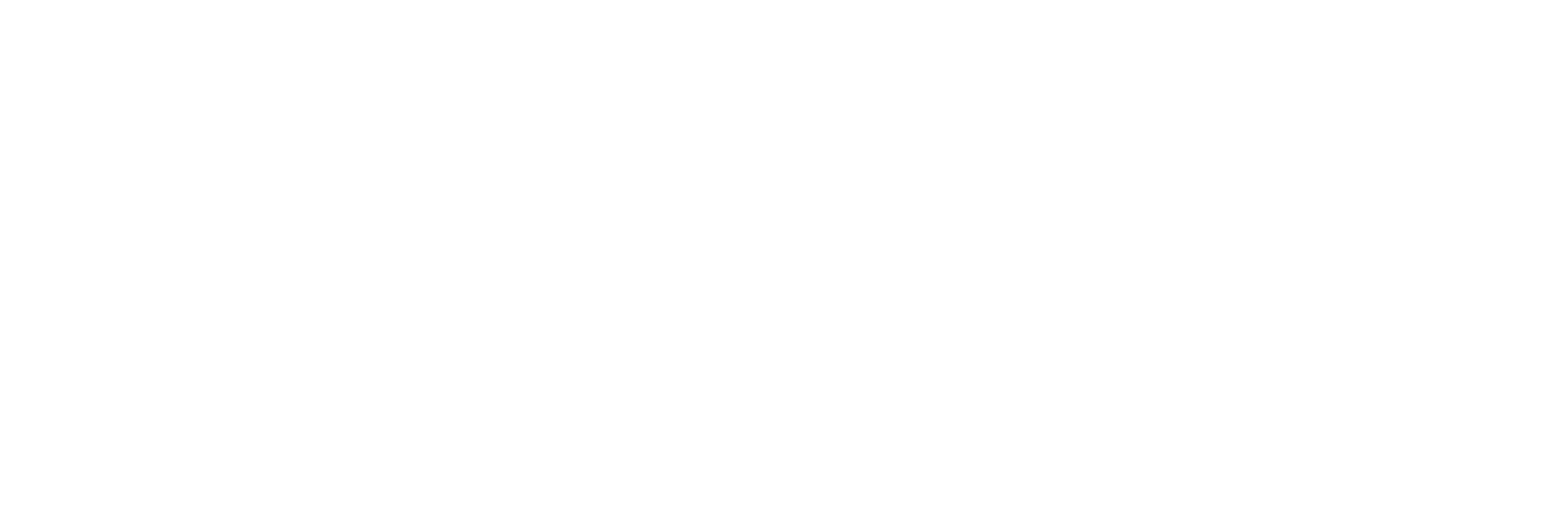
Research reveals Australian Christians are ready for climate action
The Climate Action Survey by NCLS Research highlights that many Christians are not just concerned, but also that they are already taking action. Almost all survey participants reported undertaking some sort of consumer action to try and address climate change. Nine in ten respondents reported steps such as reducing energy use or installing solar, and seven in ten have engaged in civic actions like voting or advocacy.
Seven in ten students in faith-based schools believe in God or some sort of spirit or life force
An initial snapshot of results from the Student Spiritual Life Survey show that 72% of high school students in faith-based schools say they believe in God or some sort of spirit or life force.
Half of students in faith-based schools believe Jesus was God in human form
Initial results from the Student Spiritual Life Survey by NCLS Research reveal that around half of students surveyed (49%) say they believe Jesus Christ to be God in human form.
Latest News and Features
NCLS Research is pleased to announce that the 2026 National Church Life Survey is on from August to October!

Churches are now signing up for the 2026 NCLS!
Your church is invited to join in this national project
Has your church signed up for the 2026 National Church Life Survey yet? All Australian churches are invited to take part in this eighth nationwide survey of churchgoers. The survey period will run from August to October 2026.
Churches and denominations are signing up now. Don't miss out!

2026 NCLS Info Session for Local Churches
A free information session for local churches to watch anytime
Will your church take part in the 2026 NCLS? Watch this short information session to find out why thousands of churches participate and how you can join in the 2026 NCLS. Available to view anytime- watch now!

Announcing the 2026 National Church Life Survey
Australian churches are invited to take part in the eight nationwide survey of churchgoers
The 2026 National Church Life Survey will take place across Australian churches in late 2026, the same year as the National Census.
Hundreds of thousands of voices will contribute to the most comprehensive view of church life in the world, in the eighth nationwide survey of churchgoers – the 2026 NCLS.

Student Spiritual Life Survey
A survey to understand the spiritual beliefs, attitudes and practices of your students and the impact of your school
Understand the spiritual beliefs, attitudes and practices of your students and the impact of your school activities on their faith.
Recent Publications





Additional Resources