NCLS Research is a world leader in research focused on connecting Christian churches, schools and agencies with their communities. Decades of rigorous and thoughtful research has examined wellbeing, spirituality, effective leadership and church health. Our vision is for thriving Christian communities understanding their role and mission within a changing society.
Announcing the 2026 NCLS!
The 2026 National Church Life Survey is taking place across Australian churches through September and October. Hundreds of thousands of voices will contribute to the most comprehensive view of church life in the world.

Schools:
The Student Spiritual Life Survey is available now for 2026!
Local Churches:
Have you completed a Church Life Survey? Sign in anytime to access your report
Go to My NCLS Admin
Latest Research Findings
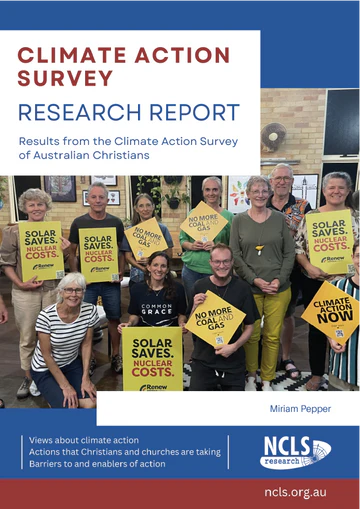
Caring for God's earth
Do churches and churchgoers see caring for God's earth as part of their worship or Christian responsibility? From our research we see that caring for God's earth is something that local churches are increasingly engaged in.
The shape of the Australian Church is changing
The shape of the Australian Church is changing. Since we started collecting data in 1991, the number of people in churches in Australia has decreased. But what this hides is a big variation across denominational groups.
Australian spiritual wellbeing in 2026
We've examined Australians' sense of spiritual wellbeing in 2026. And soon we will also know how churchgoers compare.
Voting patterns of church attenders: then and now?
Our research over 25 years has shown that Australian church attenders tend to vote for conservative parties. In the 2026 NCLS, we will be asking a sample of church attenders who they would vote for if an election was held now. Will we see a new trend or will current voting patterns continue?
Latest News and Features
NCLS Research is pleased to announce that the 2026 National Church Life Survey is on from August to October!

Churches are now signing up for the 2026 NCLS!
Your church is invited to join in this national project
Has your church signed up for the 2026 National Church Life Survey yet? All Australian churches are invited to take part in this eighth nationwide survey of churchgoers. The survey period will run from August to October 2026.
Churches and denominations are signing up now. Don't miss out!

2026 NCLS Info Session for Local Churches
A free information session for local churches to watch anytime
Will your church take part in the 2026 NCLS? Watch this short information session to find out why thousands of churches participate and how you can join in the 2026 NCLS. Available to view anytime- watch now!

Announcing the 2026 National Church Life Survey
Australian churches are invited to take part in the eight nationwide survey of churchgoers
The 2026 National Church Life Survey will take place across Australian churches in late 2026, the same year as the National Census.
Hundreds of thousands of voices will contribute to the most comprehensive view of church life in the world, in the eighth nationwide survey of churchgoers – the 2026 NCLS.

Student Spiritual Life Survey
A survey to understand the spiritual beliefs, attitudes and practices of your students and the impact of your school
Understand the spiritual beliefs, attitudes and practices of your students and the impact of your school activities on their faith.
Recent Publications





Additional Resources